


One of the biggest concerns for men and women is belly fat. Belly fat is not only unattractive, but it is also a health risk for problems like heart disease, diabetes, high blood pressure, and metabolic issues. Beginners are often daunted by the prospect of choosing an exercise plan because they don’t know which exercises to begin with or which ones work best. Good news: With a structured workout plan, you can get in better shape and lose that belly fat safely and sustainably.

You don’t get to lose belly fat with just one foundational exercise routine; it’s a mixture of cardiovascular exercises, core workouts, power training, and proper eating. Abdominal exercises tend to be what novices find themselves concentrating on, but spot reduction isn’t possible for fat loss. What is actually required is a comprehensive, time-efficient workout that involves many muscle groups coupled with increased metabolism and calorie loss. In addition to physical activity, reducing stress, enhancing sleep quality, and keeping hydrated are all important factors when it comes to obtaining and maintaining a leaner stomach. This post gives a complete, beginner-friendly workout list with some delicious nutrition, simple tips for recovery, and how to keep doing it consistently so that you burn your belly fat without any wasted effort.
Understanding Belly Fat
Before diving into the details of a workout plan, it’s important to first understand the different forms of belly fat and why it develops. There are two types: subcutaneous fat, located just beneath the skin and soft and pinchable; and visceral fat, which wraps around internal organs and is linked not only to obesity but also to serious health problems like insulin resistance, heart disease, and inflammation. Newcomers usually make the mistake of doing abs-only exercises in hopes of reducing belly fat. Though core exercises can also include the abs, ‘spot reduction’ is not really a thing; reduction of fat happens all over through cardio, strength training, and diet.
Importance of Cardio Exercises
Cardio is necessary for burning calories and having a good overall body fat. This does not exclude belly fat. Brisk walking, jogging, biking, swimming, or dancing are all examples of physical activities that get your heart pumping, improve blood flow, and generally increase metabolism. For beginners, 20–30 minutes of moderate-intensity cardio, 3–5 days a week, is enough. As you get stronger, you progressively increase the time and intensity to build resistance with your body, light up your muscles, and burn more calories. High-intensity interval training (HIIT) is especially ideal for anyone who is new to exercising and wants to slim down their midsection. Short bursts of high-intensity activity during HIIT are interspersed with periods of rest or low-intensity exercise, which leads to a higher calorie burn and better cardiovascular fitness in less time.
Benefits of Cardio
Cardio is good for the heart, and it gives you stamina and torches calories. It also trims general body fat, in particular, stubborn belly fat.
Best Cardio Exercises
Start with movements such as walking quickly, jogging around, cycling, swimming, or even dancing. Pick exercises that you like and then do them regularly.
How Often to Do Cardio
First of all, for beginners, 20-30 min of moderate-intensity cardio 3-5 times a week is fine. Build up the duration and intensity as your fitness improves.
Strength Training for Fat Loss
A common mistake is that newbies forget about weight lifting, but it is very important to lose belly fat. Increasing lean muscle, or resistance exercise such as weight training, has a direct relationship with resting metabolic rate, and you’re going to burn more calories while at rest.” Excellent “beginner’s exercises are squats, lunges, push-ups, and planks. As novices become more comfortable, you might introduce dumbbells or resistance bands to provide even greater strength and calorie-burning challenges. I like to stick with full-body movements that give you resistance on multiple muscle groups at a time, i.e., deadlifts, bench presses, rows, etc. These are far superior to isolation movements for fat loss training. Beginners should aim for 2 to 3 strength training days each week, with at least one day off in between workouts to give your muscles time to recover.

Core Workouts to Tone Abs
While spot-reducing your belly with only core exercises is not possible, they can help improve your overall body composition and help tone up the muscles in your stomach to produce a more flattering profile. Working out midsection exercises are planks, bicycle crunches, leg raises, Russian twists, and mountain climbers. At your stage, 3–4 times a week with good form is enough to get core strength without overtraining and causing you injuries.
It also helps to include core stability exercises in other workouts. For instance, when performing squats, push-ups, or lunges, and you engage your core muscles, you will be activating your abdominal muscles while performing full-body movements. Core strength leads to better balance, posture, and total body strength. For beginners or those with lower back problems, they should start off planking for a small amount of time – for example, 20-30 seconds—before building it gradually. When paired with cardio and strength exercises, they can help tone the abdomen gradually.
Do core workouts 3-4 days a week.
Until you feel comfortable with the move and can balance effectively without falling over, take your time, and if anything feels pinched or strained, stop! Headers: Form is key to avoiding injury.
- Begin with shorter durations, such as a 20–30 second plank.
- Increase such gradually as strength increases.
- Employ your core in other full-body exercises.
- BEST OF BOTH: Add in core exercises with cardio and strength training for maximum results.
Nutrition and Diet Tips
To shed your belly fat, you need more than just exercise; you also need good nutrition. It’s a simple concept: To lose fat, you need a calorie deficit, or to take in fewer calories than you burn. If you’re just starting, concentrate on a diet filled with whole foods that are in their unprocessed state: lean proteins, vegetables, fruit, whole grains, and healthy fats. Protein enhances muscle repair, fiber helps you stay full and healthy, and fats support hormone regulation.

Stay away from sweetened drinks, fried foods, and processed carbs or starches, which store belly fat. Staying hydrated is great for cleansing the body of toxins while also aiding in digestion. Keeping up with meals, portion control, and planned healthy snacks all contribute to maintaining discipline.
Recovery and Rest
Rest is not a glamorous topic when it comes to discussions of fat loss. Too much will lead to exhaustion, injuries, and loss of motivation. Novices should include a minimum of one to two rest days per week. Muscles recover and grow stronger while we rest, so in the long term, it increases metabolism and improves fat loss.
Sleep is equally important. You should try to get 7–8 hours of restful sleep every night. Not sleeping well raises cortisol, a stress hormone that encourages fat storage, particularly in the belly. Light stretching, yoga, or foam rolling can also help recovery by increasing blood flow, decreasing soreness, and increasing range of motion.
Importance of Rest Days
Rest days are important for building muscles and preventing injury. If you don’t and attempt to power through, it can make you tired for the rest of your workout, hurt your performance, and cause injury. Regular recovery will allow your body to adjust to and support workouts and help you stick to your long-term fat-loss plan.
Effects of Overtraining
Excessive amounts of exercise can lead to severe fatigue, muscle soreness, and weakened motivation. It could also inhibit fat loss, as the body feels stressed and makes more cortisol, and fat storage will occur. Newbies, to avoid those dangers, you should slow-roll upward in terms of workout intensity.
Quality Sleep for Fat Loss
We sleep to recover and stay healthy; 7–8 hours of uninterrupted sleep is key. A lack of sleep throws hormones out of whack, revs up appetite, and leads to high cortisol levels—both of which can make you store body fat, particularly around your gut. Sufficient sleep guarantees that your workouts are energized and maximally fat-burning.
Stretching and Flexibility
They see that it increases blood flow and helps their muscles recover after a long workout, but another bonus of light stretching (or yoga or foam rolling) is increased flexibility all around. This assists in keeping injuries at bay and improving flexibility, leading to greater performance with upcoming workouts.
Recovery for Long-Term Success
And that is why recovery has to take priority, to allow the body to be able to work consistently over a longer period of time. Rest properly, and you decrease the likelihood of burnout while still feeling motivated enough to continue fat loss for an extended duration. It also facilitates muscle growth, strength advancement, and increased fitness.
Staying Motivated and Consistent
Among other ways, discipline and plurality are the recipes for successful belly slimming. Beginners should establish realistic, attainable goals and monitor progress via measurements, photographs, or fitness apps. Take time to celebrate the small victories so you can keep your spirits up. It’s easy to forget that the fat loss journey is slow, and implementing small changes for the long-term wins over short-lived fad diets.
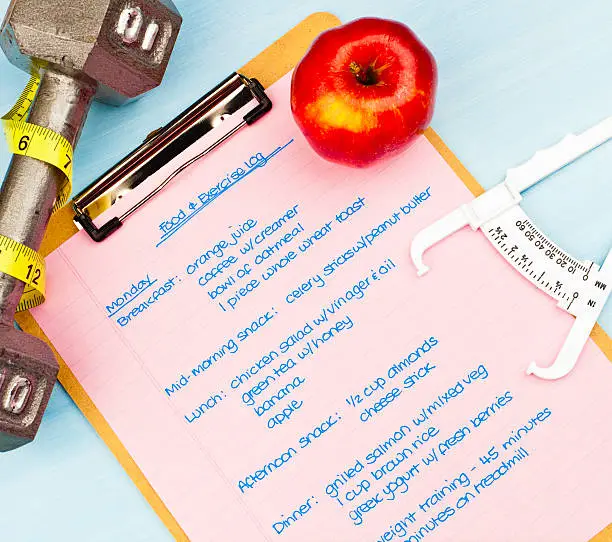
There’s a lot to be said for making exercise fun, and that makes it more likely you’ll stick with it. This might also mean working out with a friend, listening to music or podcasts, or even attending group fitness classes. Having a workout plan and trying different training helps to prevent getting bored, as well minimizes the risk that you’ll quit. By staying positive-minded, tracking their progress, and disciplining themselves, beginners not only lose belly fat but also build a lifestyle that is healthy enough to continue.
- The Positives of Staying Motivated and Consistent
- The positive is helping to maintain a workout schedule over a long period.
- Less likely to skip your workouts or give up the program.
- Promotes discipline and a positive attitude towards fitness and health.
- Fosters slow and steady fat loss as opposed to rapid fluxes in weight.
- It makes exercise more fun like that and helps you stick with it better, more often, for success.
Conclusion
If you’re a beginner who wants to lose belly fat, first and foremost, to get the results you want, you’re going to need to take a more all-encompassing approach than you may have tried in the past. “It’s all about knowing your body; it’s also about general fat loss rather than spot reduction and being consistent. Beginners can reduce belly fat safely and effectively, along with building lean muscle, by increasing their metabolism through attention to diet, eating habits, exercise, and sleep. With time and effort, anyone can achieve a leaner, stronger, and healthier set of abdominals—provided they adopt a disciplined approach.
FAQs
Is it possible for beginners to lose belly fat in 1 month?
Yes, novices can see some positive changes within 4–6 weeks, but meaningful fat loss usually requires more months of regular work.
Is it necessary to go to a gym to lose belly fat?
Hell no—bodyweight exercises, walking, jogging, or doing home workouts can be awesome for beginners.
How often should I do cardio?
Strive to complete between 3 and 5 sessions per week, consisting of 20-45 minutes each. Gradually build intensity for best results.
Is the key to working out abs only?
No, spot reduction is ineffective. Cardio, full-body strength, and core exercises make for a winning combo.
To what extent is diet responsible for losing belly fat?
Diet is crucial. Caloric deficit and proper nutrition are key to seeing results while maintaining muscle mass.
Does stress cause you to lose belly fat?
Yes, stress makes for higher cortisol levels, which can lead to more abdominal fat. Stress management supports fat loss.