

Nowadays, stress and anxiety are prevalent in our fast-paced world. Pressure is something we all face at some time. Concerns over work or finances, relationship issues, and health worries can lead to psychological tension. Sometimes, even little things bother me to no end. Stress that goes on for a long time begins to affect the body and mind. Your heart rate may increase. Your muscles may feel tight. Sleep may become disturbed. Mood swings may appear. Focus and productivity may decrease. Anxiety that isn’t mediated well can lead to a lack of confidence or emotional equilibrium.
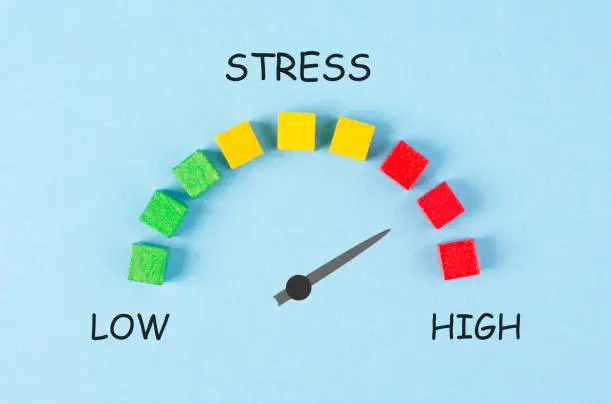
The good news is that stress can be managed. Sometimes you don’t need complicated treatments. Easy everyday rituals can bring a gentle reset. It’s also crucial to know how your body reacts to stress. The earlier you respond, the less of an effect. The solutions for the phenomena are simple and can easily be put into use. You can begin to use them right now in your day-to-day life.
Practice Deep Breathing
Deep breathing is one of the quickest ways to reduce anxiety. When you are anxious, your breathing is quick and shallow. This sends a warning to your brain. Slow, deep breathing transmits the opposite signal. It signals to your nervous system that you are in a good place. Sit in a comfortable spot with little to no distractions. Relax your shoulders. Inhale slowly through your nose. Take a deep breath, and hold it for several seconds. Now breathe out softly through your mouth. Do this for five to ten minutes. You will feel your body relax. Your thoughts will slow down. Your heartbeat will become steady.
Move Your Body Regularly
Exercise: An all-natural pick-me-up, physical activity is a great stress buster. Exercise stimulates the release of chemicals in the brain that boost mood. It tones down stress hormones and cranks up feel-good endorphins. We’re not talking about killer workouts. “There’s lots of bang for your buck with easy activities. Even a brisk 20- to 30-minute walk can clear your mind. Yoga or stretching may help relax muscle tension. Light jogging can improve circulation. Exercise builds confidence. And when you support your body, you feel stronger mentally. It is more important to be constant than vehement. Tiny daily movement creates life-changing results.
Mental Benefits
Exercise unleashes feel-good chemicals in the brain. It reduces stress hormones and lifts mood. Exercise and regular activity lower anxiety and increase focus. Daily simple physical movements have long-term mental benefits, even if the moves are small.
Simple Exercises
Stronger but not heavy workouts. Walking, stretching, and light jogging or dancing are good. Even 20 to 30 minutes a day can revive your body and mind. The small, incremental things are better than nothing.
Outdoor Activities
If you work outside, it can help bring a sense of equilibrium to your emotions. Open windows and sunlight will energize you and make you happy. It can also soothe the mind to take nature walks or have brief outdoor sessions. You’re also less mentally tired when you walk outside.
Consistency Over Intensity
It’s the regular activity that means something, not necessarily how hard you work out. There’s comfort in the daily movement of daily life, especially when that habit can lead to long-term benefits. Even small exercises count over time. Constitutioneering helps keep you and your mind resilient.
Work on Diet and Hydration
An overload of caffeine can heighten anxiety. Coffee and energy drinks could increase your heart rate. They can even leave you feeling restless. Too much sugar could lead to energy spikes and crashes. These collisions can result in irritability and fatigue. Choose balanced meals instead. Make sure you eat protein and whole grains, as well as fruits and vegetables. These foods provide steady energy. Go slow with the drinks all day. Dehydration can also exacerbate fatigue and shifts in mood. Herbal teas may help to soothe the throat.
Practice Mindfulness and Positive Thinking
Mindfulness is simply focusing on the present. Anxiety tends to stem from worrying about what the future holds or meditating on past mistakes. Unnecessary stress decreases when you are thinking about the now. Take a quiet seat for several minutes each day. Focus on your breathing. Just watch those thoughts without passing judgment. Allow them to pass naturally. This simple practice helps train your brain to remain calm. Optimistic thinking is also a big help. Just because something is a negative thought doesn’t mean it is the truth. Challenging fearful thoughts: Are they realistic? Substitute positive ones for negative messages. Remind yourself that you can deal with your fears. This is about building confidence and psychological fortitude.

- Practice deep and paced breathing for a few minutes a day to quiet your mind.
- Watch your thoughts without judging them, and allow them to fade into nothing.
- Concentrate on the present moment, and don’t agonize about the past or future.
- Substitute positive and empowering phrases in place of negative ones.
- Use mindfulness to really hone your emotions and stop overthinking.
Get Proper and Consistent Sleep
Mental recovery requires sleep. Your brain is processing those emotions and stress during sleep. Any anxiety you had will get worse if you’re not sleeping. You might be agitated, unable to concentrate, and emotionally fragile. Strive for 7 to 8 hours of sleep a night. Create a relaxing bedtime routine. Avoid using screens before sleeping. Let your room be quiet and comfortable. Stay away from caffeine in the evening. Quality sleep restores energy. It balances hormones. It improves decision-making skills. Having time for rest can help you better cope with stress.
Build Strong Social Support
Humans are naturally social beings. It takes away the emotional pressure when you trust someone with your feelings. It can help to talk to a trusted friend or family member. Sometimes being heard is enough. Good mood is contagious, and hanging out with people who have a positive attitude can influence your own outlook. Sustaining relationships helps you to feel more secure and included. If anxiety feels uncontrollable, professional help can be invaluable. Counseling offers an organized way of giving support and coping. It is not a weakness to reach out for help. It shows awareness and responsibility. A good support network increases resistance. It enables you to confront challenges with belief in yourself.
Importance of Sharing Feelings
Discussing your concerns reduces emotional distress. If nothing else, at least confiding in a friend or family member about what you are going through can be soothing.
Positive Relationships
People who make you laugh or feel good can lift your spirits. Such positive references reinforce feelings of safety and security. They are useful for keeping you motivated and less isolated. Social networks provide emotional calm to the extent that people experience them as stable.
Professional Guidance
If anxiety spirals out of control, getting treatment is helpful. Therapists or counselors give tools to manage stress. A framework for guidance allows you to work through difficult emotions. A smart move, professional support, not a weakness.
Building Resilience
A solid base of support boosts your ability to deal with challenges. Emotional and social support gives you confidence. It enables you to bounce back from stressful events more quickly. Consistent contact with loving people establishes enduring emotional resilience.
Time Management & Boundaries
Poor time management increases stress. With many tasks, there is mental pressure. Having a schedule is a good way to avoid anxiety. Begin by creating an easy to-do list. Prioritize important tasks. Break big projects into small steps. Avoid multitasking. Focus on one task at a time. Give your general cognitive functions a break. Learn to turn down when you have to. Give your time and energy to yourself. Setting boundaries prevents emotional exhaustion. Planning provides you with some sense of agency. When we feel in control, the stress goes down. Balance comes when you set clear goals and maintain realistic expectations. Tiny organizational habits can make a big dent in anxiety.

Benefits
- Reduces stress and mental overload.
- Increases focus on important tasks.
- Improves productivity and efficiency.
- Helps complete tasks on time.
- Prevents burnout and exhaustion.
- It feels like you have autonomy and equilibrium.
- Protects personal time and energy.
- Boosts confidence and decision-making ability.
Conclusion
Anxiety and stress come with the territory. But they need not rule you. It could be something as simple as what you do every day that can bring quick and effective relief! Deep breaths soothe your nervous system. Exercise improves mood and energy. Healthy nutrition supports mental stability. Mindfulness reduces overthinking. Quality sleep restores emotional balance. Social support strengthens resilience. Time management provides a sense of empowerment. You do not have to use all these methods at once. Begin with one or two techniques. Practice them consistently. Consistent small efforts lead to big change. As you take care of your mental health, your life becomes more balanced and productive.
FAQs
How do you relieve anxiety as fast as possible?
Deep breathing is one of the fastest ways to soothe both your body and mind. It calms your nervous system and slows your heart rate. A few minutes of focused breathing are enough to reduce tension and clear your head.
How frequently should I work out for stress relief?
If you get at least 30 minutes of moderate exercise most days, that’s great. Exercise also causes your body to release mood-boosting chemicals, such as endorphins, and reduces the quantity of stress hormones. .
Can caffeine increase anxiety?
Yes. Too much caffeine can up your heart rate, make you jittery, tired, and teary, and exacerbate nervousness. High doses of caffeine can also interfere with sleep, which can negatively impact stress and anxiety. Cutting back on caffeine or swapping it out for herbal teas may also help your mind quiet down.
Is mindfulness difficult for beginners?
Not at all. Begin with five minutes a day, concentrating on your breath and taking it in the moment. Mindfulness takes practice, but in the long run, it minimizes overthinking, manages negative thinking, and stabilizes emotions.
Why does sleep matter to stress?
It repairs the brain and body. It enables your mind to manage emotions, decreases stress hormones, and enhances focus and decision-making. Sleep deprivation leads to irritability and anxiety, while good sleep bolsters resilience and emotional control.
When do I need to see my doctor?
If anxiety is regularly impacting your ability to live your life, prevents you from getting things done, or causes chronic panic attacks, then seek professional help.