

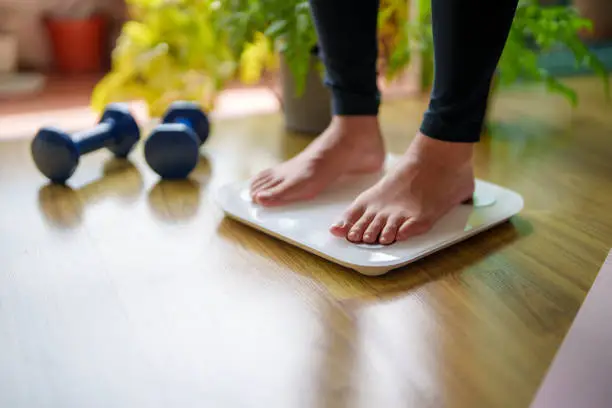
The time, willpower, or physical ability to participate in regular exercise. The upside to all this is that losing weight is not just about working out—it’s also about living your daily life, how you eat and exercise, your metabolism, and lifestyle decisions. And in reality, a lot of people can and do lose weight without spending every day working out using free weights or on machines—they put their focus on more natural, sustainable strategies. You can effectively burn fat and lose weight with these intelligent alterations to your eating habits, sleeping routine, stress level, and hydration! In this post, we are going to take a look at some of the best natural ways to lose weight without exercise that you can do in life, since they will make it so much easier and pleasant for you.

Control Your Portion Sizes
Portions One of the best and easiest natural weight loss methods is controlling your portion sizes. By night, we enjoy overstuffed portion sizes. Healthy food still contains calories and can cause you to gain weight if you eat too much. The key to weight loss is that you need to create a calorie deficit, and portion control helps accomplish this without resorting to strict dieting. Simple tricks, for example, employing smaller plates, portion control, and avoiding eating out of large packets, can cut calories and are pretty easy to stick to. Eating slowly is just as crucial, as it allows your brain to register fullness signals (usually takes about 15–20 minutes). If you’re aware of portions, you’ll be able to eat what you love in moderation and still lose weight.
Key Point
- Controlling portion sizes is key to weight loss in the real world.
- You often eat too much even if you’re not hungry.
- Even for healthy foods, large portions can lead to weight gain.
- To lose weight, you need to be in a calorie deficit.
- More plates work to eat fewer calories.
- Don’t guess; measure serving sizes.
Don’t eat out of packages.
Eat slowly so your brain has time to register fullness (15–20 minutes). It’s a small price to pay to continue eating the foods you love as long as weight comes off at a slow and steady pace; it’s called ‘portion control.’
Increase Protein Intake
Protein is a wonder nutrient when it comes to natural weight loss. It helps to curb hunger longer and decrease overall appetite. Eggs, lean chicken, Greek yogurt, beans, lentils, and fish are great sources of protein. What’s more, protein boasts a high thermic effect, which means you actually burn more calories digesting protein when compared to fats and carbs. Maintaining lean muscle mass is crucial to sustaining a healthy metabolism as you lose weight, and with its high-quality blend of protein, this diet will help keep those challenging pounds off!
Drink More Water
Hydrating is a simple but surprisingly effective weight-loss technique. The truth is, many of us confuse thirst with hunger and reach for a snack when we should be reaching for water. Drinking water all day can help control appetite and prevent us from overdoing calories. Water does slightly affect metabolism – it increases the number of calories you burn at rest for a little while. Try drinking a glass of water before meals to induce a feeling of fullness, which will prevent you from overeating. And if you replace sugary drinks such as soda or juice with water, daily caloric intake plummets. Strive for 8–10 glasses a day, or more if you are in a hot climate or physically active.
Benefits
Increases Metabolism
Water gives a slight boost to calorie burning through the expenditure of energy.
Promotes Fullness Before Meals
A glass before each meal can help hold you over and make you eat less food at the table.
H₂O Alternative to Sugary Drinks
Simply replacing soda or juice with water can help reduce your total daily calorie consumption.
Reduce Sugar and Refined Carbohydrates
One of the best things you can do to lose weight without exercise is to decrease sugar and other types of carbohydrates. Processed carbs like white bread, pastries, sugary cereals, and canned snack foods are digested rapidly and cause sudden upticks in your blood sugar. Those spikes cause our bodies to make more insulin, which supports fat storage—particularly around the belly. Swapping refined carbs for whole grains, vegetables, fruits, and legumes instead maintains stable blood sugar levels and prevents cravings. Reducing sugar consumption also reduces the risk of inflammation and enhances general metabolic well-being. Over the long term, this enables steady fat burning without the need for heavy exercise.
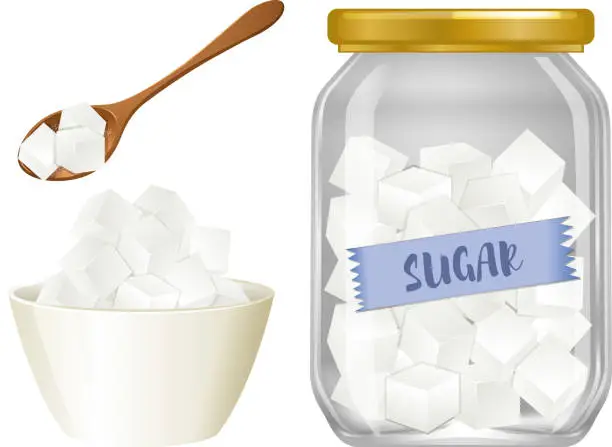
Reduce Sugar Intake
Cutting sugar and other highly processed, calorie-filled carbohydrates is the single biggest step you can take to lose weight without exercise. Refined carbs such as white bread, pastries, and sweet treats are swiftly absorbed into your system and result in spikes in your blood sugar. These spikes drive up insulin, which in turn promotes the storage of fat, particularly in the belly. By cutting sugar, you’re doing your body a giant favor and are more likely to eat healthier overall.
Effects on Blood Sugar
Simple carbohydrates cause a rapid rise in blood sugar and insulin. These up-and-down fluctuations cause cravings and make it more difficult to stay on a healthy diet. High sugar over time will give you abdominal fat and slow metabolism. Cutting back on processed carbs will help balance blood sugar and keep your energy level steady all day long.
Replace with Whole Foods
Whole grains, vegetables, fruits, and legumes can help to naturally stabilize blood sugar levels and reduce sugar cravings. Whole foods are slowly digested and offer good fats, fibers, and vitamins. They keep you feeling full longer, preventing sudden hunger pangs. This substitution further helps with healthy, sustainable eating (that allows for weight maintenance).
Supports Fat Loss
Reduced sugar and refined carbs not only help you maintain a healthy weight but also favorably impact metabolic health and lower inflammation. Whole Foods, Whole PhYat does help to lose fat without any hardcore exercise. Stable blood sugar means better energy, focus, and appetite control. This helps the individual achieve long-term weight control and overall good health.
Improve Sleep Quality
Sleep is an important part of weight control. Having poor sleep can disturb hormonal balance, boosting hunger hormones and suppressing hormones that signal fullness. This imbalance can cause late-night cravings and overeating. And making sure you get 7–8 hours of quality sleep every night does wonders to balance metabolism and lower cortisol, a stress hormone that causes your body to store fat. A regular sleeping routine, abstaining from caffeine during the latter part of the day, and limiting pre-bedtime screen time are all critical when it comes to getting a good night’s sleep. Getting enough rest accelerates fat burning and is beneficial for health in many ways.
Practice Mindful Eating
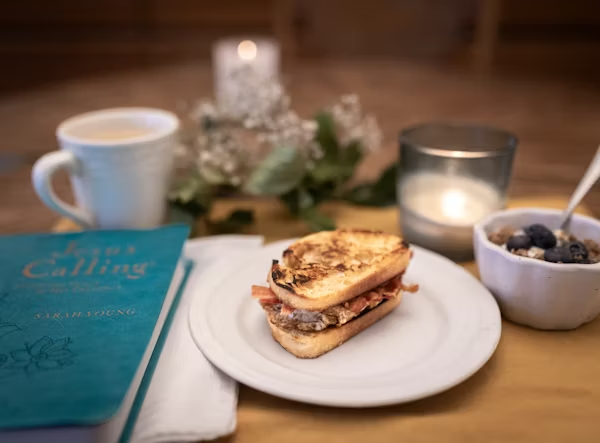
Described as the practice of eating intentionally and being more present while eating, mindful eating also involves paying attention to bodily cues relating to hunger and fullness. Nowadays, we eat while watching TV or scrolling through our phones, during a working lunch, or while helping with homework. This also certainly contributes to overeating. Chewing slowly and taking time to enjoy the flavor and texture of the food helps you be more in tune with portion sizes and levels of satisfaction. It’s thinking-oriented eating that can also help you figure out whether you are an emotional eater, driving home the fact that food is meant to satisfy hunger, not offset emotions. Adopting this practice alone will help reduce calories and improve digestion.
Manage Stress Levels
Weight loss can be thwarted by chronic stress. When you’re stressed, your body releases cortisol, a hormone that can make it more difficult to lose weight and increase appetite and fat storage, especially in the belly. Stress also triggers emotional eating and the desire to eat unhealthy, high-calorie foods like those high in sugar. Reducing stress with meditation, deep breathing exercises, writing in a journal, practicing yoga, or being out in nature can decrease cortisol. Even brief daily relaxation exercises can enhance mood and encourage better eating habits. We must remember that weight management is long-term, and mental balance is key.
Key Point
- Weight loss is more difficult with chronic stress.
- It raises cortisol, a hormone that stores belly fat.
- Fat around the belly is especially responsive to high cortisol levels.
- Stress often triggers emotional eating.
- Desire for sugar and high-calorie foods goes up.
- Cortisol is decreased with meditation and deep breathing.
- Practicing yoga and journaling can also help relieve stress naturally.
- Nature is good for us because it makes us feel happier and calmer.
- Stress management makes it easy to eat well and maintain a healthy weight over the long haul.
Avoid Late-Night Snacking
Late-night snacking is typically eating junk or processed food like chips, candy, fast food, etc. Once you hit the night hours, your metabolism is not as revved up, which means that when you eat and drink late at night, the excess calories are more likely to be stored as fat. Eat your last meal 2–3 hours before sleeping. Eating at the same time each day changes hunger hormones. If you are truly hungry at bedtime, then choose something healthy and light, like some herbal tea, a small handful of nuts, or a piece of fruit. Eliminating nighttime calories will naturally help you lose weight at a faster pace.
Eat Whole, Natural Foods
Here are some of the most sustainable ways to lose weight without exercise: Eat whole, unprocessed foods. Whole foods are packed with key nutrients, fiber, and protein—not to mention low in added sugars and unhealthy fats. Fill your diet with fresh vegetables, fruits, lean proteins, whole grains, legumes, nuts, and healthy fats such as olives and olive oil. Stay away from man-made additives, preservatives, and too much salt. A way of eating rooted in whole foods can improve digestion, balance hormones, and provide gradual fat loss that lasts.

Conclusion
Weight loss without exercise is certainly possible when one concentrates on making natural lifestyle changes. By serving yourself less, eating more protein and fiber, sleeping better, sweating it out less, and cutting down on sugar, you can create a calorie deficit without ever entering a gym. So the secret to success is being consistent. It comes down to small daily habits and long-term results. The solution to that is not extreme dieting but rather something sustainable and good for your health in general. With determination and perseverance, you can lose weight naturally and safely.
FAQs
So can I really lose weight without exercise?
Yes! Losing weight is mostly a matter of getting into a calorie deficit, which you can do through good-for-you eating habits, portion control, and activities like walking, even if your workouts are more formal.
What is the trick to speed up metabolism naturally?
Metabolism can be increased naturally by drinking green tea, keeping well hydrated, eating lean protein, and getting plenty of sleep.
What is the role of water in weight loss?
Water can suppress appetite, aid digestion, and slightly increase calorie burning, especially if it’s cold water that you’re drinking.
Can I lose fat by diet alone?
Yes. Whole foods, less sugar and refined carbs, and plenty of high-fiber veggies and fruit are great ways to reduce body fat.
Does sleep affect weight loss?
Absolutely. Lousy sleep increases hunger hormones such as ghrelin and decreases fullness hormones such as leptin, which paves the way for weight gain.
Do some foods help with natural weight loss?
Yes. Naturally fat-burning foods include vegetables, fruits, whole grains, lean protein (skinless chicken), nuts and seeds, and green tea.
Is it possible for me to do intermittent fasting without exercising?
Yes. By cutting the time for eating (eating window) and calories, people may be able to burn fat, even in the absence of exercise.
How important is portion control?
Very important. Portion control, not overeating, and calorie management are all important for natural weight loss.