


Acne is among the most frustrating skin conditions that clog pores and cause excessive oil, bacteria, and inflammation. They can develop on your face, back, and other areas of skin, making the affected area red, swollen, and painful. As with some cosmetic treatments, however, there are over-the-counter creams and medications available to treat dry skin. Natural home remedies can provide a gentler, safer, and cheaper solution. The home remedies treat the primary causes of pimples, like bacteria, excess oil, and inflammation, and are good at fighting breakouts that are impeding your appearance. Grab some of these non-toxic kitchen products that are all right in your own home—these will not only shrink pimple size, they’ll also calm redness and keep your skin looking fresh.
Natural Tea Tree Oil
Tea tree oil is an extremely effective natural antibacterial and antifungal treatment that can be used to treat pimples. It works to kill acne-causing bacteria, reduce swelling, redness, and irritation, and prevent future breakouts. Its potent nature also makes it one of the quickest natural remedies for inflamed pimples. To safely apply tea tree oil, combine 2–3 drops with a teaspoon of carrier oil (like coconut or jojoba) to avoid irritation. Dab the solution on the pimple with a cotton ball. Hope this helps you and your daughter. Do leave it on overnight; the zinc will get deeper into the skin and work on drying out the blemish. In the morning, wash your face very gently with lukewarm water. Tea tree oil advantages are shrinking pimples, soothing inflammation, and preventing new acne from forming. It can also refine the general feel of your skin and diminish the look of acne scars over time with regular use.
Raw Honey Acne Remedy
Honey also functions as an antibacterial, antioxidant, and moisturizing agent, and can fight the pimple problem efficiently! Its distinctive characteristics make it effective in combating bacteria that cause acne, reducing inflammation, and even healing wounds faster. Honey also calms the skin and protects against dryness, which can exacerbate acne or even trigger new zits. To make it more antibacterial, combine it with a pinch of cinnamon before usage. After the set time, wash your face softly with warm water. Simply applying warm honey on your pimples for 20–30 minutes daily can show excellent results within 2–3 weeks in terms of pimples drying faster, swelling going down, and not coming back. Plus, honey has a lovely way of leaving the skin feeling soft and smooth—not to mention well-moisturized, offering you a gentle yet effective treatment for acne-prone skin.
Fresh Lemon Juice Treatment
Citric acid found in lemon works as a natural astringent that has antibacterial qualities. It serves to dry up a zit, absorb excess oil, and diminish redness, thus rendering skin clearer and fresher. Application: Squeeze fresh lemon juice and apply a small dab with a cotton swab directly to the pimple. Let it sit for 10-15 minutes so that the blemish can feel the burn, and rinse well with water. Lemon juice’s benefits do not just end in shrinking the pimple size, but it also has natural bleaching and disinfectant properties, which can lighten the acne spots over time. The acidity in the vinegar also helps to keep pores clear, but it can also reduce oils, which are already a large contributor to many forms of acne. Caveat lector: Lemon juice can make skin sensitive to sunlight, so always wear sunscreen if you’re going outside after treatment.
Ice Cubes
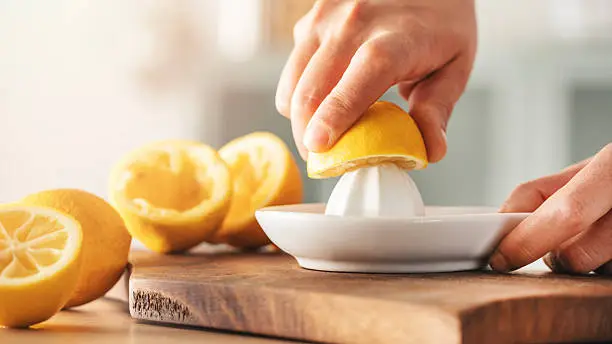
Ice cubes are a simple but highly effective solution to soothe inflammation and relieve the redness, swelling, and pain you experience from pimples. It constricts blood vessels, reducing the appearance of pimples and providing immediate relief from the pain. If you prefer topical treatment, apply a clean ice cube in the cloth and gently press on the pimple for 5–10 secs. Do this 2-3 times daily for best outcomes. The advantages of ice are that it shrinks inflamed pimples, reduces redness, and soothes pain. It’s especially helpful for painful or cystic acne, with quick visible results.
What is Ice Therapy?
Ice is a quick, easy, and effective treatment for ‘sitting down’ (you know I would). You will be surprised how much it diminishes, leaving redness and swelling. It acts as an astringent, which means it can help constrict blood vessels, leading to shrinkage in the swollen tissue; therefore, whiteheads or blackheads will reduce in size.
How to Use Ice
Place ice in a clean cloth and apply gently to the pimple for 5–10 minutes; repeat up to three times a day (you will also experience instant relief).
Precautions
Never put ice directly on the skin, as this can cause frostbite—wrap the ice in a cloth or paper towel before applying it.
Apple Cider Vinegar (ACV)
Apple cider vinegar is an alkalizing, antibacterial elixir that naturally contains acetic acid; it has antimicrobial properties and can kill acne-causing bacteria, balance skin pH, and prevent astringent (if used topically) inflammation. It is also mildly exfoliating and assists in the removal of dead skin cells, speeding up pimple recovery. How to use Apple Cider Vinegar for Pimples: Take 1 part of ACV and mix with 3 parts water. Dip a cotton ball into the solution and stamp it on the pimple. Keep for 5–10 minutes and then wash properly with water to prevent irritation. The powers of ACV include drying up pimples, making room for them, stopping new breakouts, and exfoliating the skin lightly. Remember to adjust the dilution, especially for sensitive skin, so as to avoid irritation or burning.
What is apple cider vinegar?
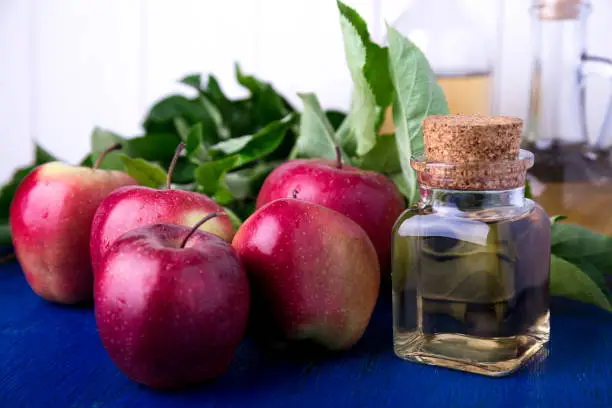
Apple cider vinegar (ACV) is a natural antibacterial cleansing agent with acetic acid that’s capable of killing acne-causing bacteria and restoring skin pH levels while reducing inflammation, so it can help unblock pores as well as gently exfoliate by removing dead cells to promote healing for the pimple.
How to Use ACV
Apply diluted ACV (one part ACV with three parts water) on pimples with a cotton ball, and let it sit for 5–10 minutes before rinsing away to prevent burns.
Benefits for Skin
ACV can do everything from dry out pimples and absorb excess oil to reduce redness and swelling, while helping to prevent future breakouts with its mild exfoliating and antibacterial properties.
Precautions
Always mix your ACV before applying it to your skin, particularly if you have sensitive skin, as using it straight could result in irritation, a feeling of burning, or overdryness, and at the first sign/symptom of skin discomfort or reaction from the use of ACV, discontinue using it.
Honey
Honey has natural antibacterial, antioxidant, and moisturizing properties that can help to fight infections caused by pimples. Its special characteristics are effective in killing the bacteria that cause acne and inflammation and quickening recovery time. Honey also calms inflamed skin and seals in moisture that would otherwise aggravate acne or bring on new breakouts. Using Honey on Pimples You can use honey for a pimple by dabbing a tiny drop of raw, unprocessed honey straight onto the zit. Keep it on for 20–30 minutes so that it absorbs into the skin and operates on the spot. You may add a dash of cinnamon to it to make the antibacterial power more effective. Wash your face gently with lukewarm water after the suggested time.
Lemon Juice
Easy-to-use astringents: Citric acid is an excellent astringent and exfoliating agent. It speeds up the healing of zits and minimizes oiliness, as well as redness, giving you a glowing complexion. To use, juice half a lemon and take a cotton ball soaked in the juice directly to your pimple. Let it sit for 10–15 minutes and let it do its job on the blemish before washing off with water. Lemon juice is not only good to shrink pimples, but it also works as an antimicrobial and rinses out acne marks slightly and gradually. Its acidic properties make it effective in keeping po
Ice Cubes
Ice is one of the most basic yet effective solutions to soothe inflammation and decrease redness, swelling, and pain that come with pimples. It shrinks blood vessels, so pimples are less conspicuous, and the irritation disappears in a flash. To apply ice, take a cube and cover it with a cloth or clean towel, and apply pressure on the pimple for a couple of minutes (5-10 min). Do this 2-3 times a day for the best results. The advantages of using an ice cube to shrink inflamed pimples are that it works quickly and can help reduce swelling and inflammation. It works especially well with painful or cystic pimples and gives a fast visible result.
Apple Cider Vinegar (ACV)
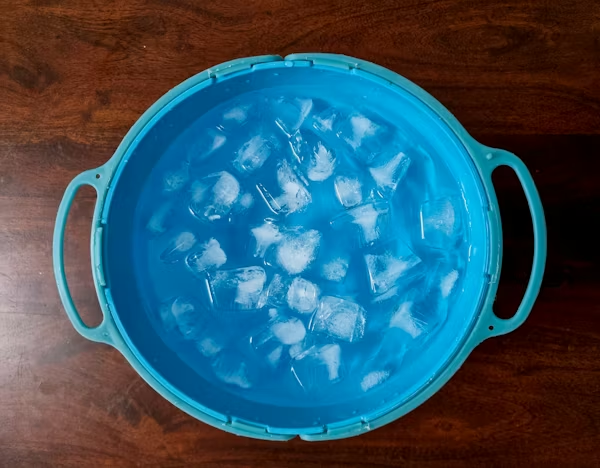
Apple cider vinegar is an antibacterial solution that also contains acetic acid to help kill the bacteria in acne and balance your skin’s pH, as well as alleviate irritation. Its light scrubbing action also removes dead cells and paves the way for fast healing of pimples. Diluting ACV with water in the ratio of 1:3 (one part ACV and three parts water) to be applied to the pimple with a cotton ball is easy. Let the water sit for 5–10 minutes before rinsing off to avoid irritating your skin. The advantages of ACV are that it can dry up existing pimples, reduce inflammation and prevent new ones, and gently exfoliate the skin. Be sure to dilute correctly, particularly if you have sensitive skin, to avoid irritation or burning.
Turmeric
Turmeric is an anti-inflammatory and antibacterial spice of nature. Its active ingredient, curcumin, decreases redness, swelling, and pimple size while encouraging quick healing.
How to Use:
Combine 1 teaspoon of turmeric powder with a couple of drops of water or honey to make a paste. Just add it to the pimple for 15-20 minutes. Rinse gently with lukewarm water.
Benefits:
It helps soothe inflammation, inhibits bacterial growth, and lightens acne scars. With daily application, it enhances skin tone, texture, and clarity.
Tips for Faster Pimple Healing
- Do not pick or pop pimples to avoid scarring and infection.
- To clear debris, oil, and impurities, wash your skin twice a day with a cleanser for sensitive skin.
- Drink plenty of water to flush out the toxins and keep skin healthy.
- Apply a non-comedogenic moisturizer to avoid dryness.
- Eat a healthy diet high in fruits, vegetables, and omega-3 fatty acids to decrease inflammation. Make sure you get enough sleep and find ways to de-stress, since both sleep deprivation and stress can cause pimples to pop up.

Conclusion
Home remedies, however, are safe and useful in pimple removal. Usmenka: Another common ingredient in many of these homemade zit hacks is tea tree oil, aloe vera, honey, lemon juice, ice, apple cider vinegar, and turmeric, which helps in decreasing inflammation and killing bacteria to heal the blemishes faster. Multiplying with a regular skincare routine, hydration, and a good diet, you will be able to cure pimples at home naturally without any growth of new ones. Consistency is key to clear skin without chemicals or products that cost an arm and a leg.
FAQs
Do home remedies actually work for pimples?
Yes, there are some natural ways to get rid of pimples: So for those with mild to moderate acne (whiteheads or blackheads), these methods can help reduce inflammation and minimize redness and size. Very serious acne needs medical attention.
How to get rid of pimples instantaneously with home remedies?
A few treatments (like ice or tea tree oil) can help diminish swelling within hours, but the physical healing process tends to take 2–3 days to a week.
Is it OK to pop a pimple if I can see the white part?
No! However, popping can increase inflammation, cause an infection, and even result in scarring. Natural remedies heal pimples safely.
Can home remedies be used on sensitive skin?
Most of them are, but do a patch test before you try anything new, especially lemon juice or turmeric—those can irritate sensitive skin.
Can I combine remedies at the same time?
Yes, but go in one at a time rather than all at once to avoid irritation. Aloe vera first, followed by a honey-turmeric mask if you wish.
Will these treatments stop future pimples?
By potentially decreasing acne-causing bacteria and inflammation, they may reduce a person’s risk for pimples, although a clean routine, healthy diet, and controlling stress are key to preventing them.
Is it possible to remove acne scars with home remedies?
They can help lighten shallow marks over time (similar to lemon juice or aloe vera), though deep scars may still require professional treatment.