

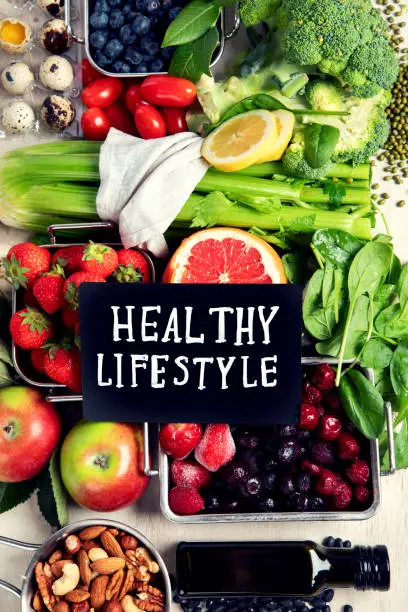
A better balanced diet for a balanced lifestyle. Eating healthily is the starting point for your balanced lifestyle and overall well-being. What you consume daily impacts your energy levels, mental well-being, immune strength, and much more. Eating a balanced, nutrition-rich diet with vitamins and minerals can help in promoting metabolism, enhancing immunity, and maintaining mental clarity. Over time, small changes in diet, if maintained steadily, can make a big difference in your health. Here are the best healthy tips for a great daily diet to be applied in your way of life
Include More Fruits and Vegetables
Fruit and vegetables are chock full of vitamins, minerals, antioxidants, and fiber that we need for good health. A diverse diet of fruits and vegetables gives your body the diverse nutrients it needs to keep colds at bay. Your go-to are leafy greens, berries, carrots, bell peppers, and cruciferous veggies such as broccoli and cauliflower. These types of food help your digestion, lower inflammation, and keep you fueled throughout a long day.
Opt for Whole Grains
They’re loaded with fiber, B vitamins, and important minerals (like potassium, magnesium, and iron) that help digestion, stabilize blood sugar, and keep you feeling full longer.
Prioritize Protein
Have you heard we need protein for muscle recovery and repair, hormone production, and satiety? Eat some lean protein, such as chicken, fish, and vegetables, because it will help you feel fuller for longer. High protein intake is also beneficial because it balances blood sugar, curbs cravings, and keeps your metabolism working. Plant-based proteins such as lentils, chickpeas, and beans are high in fiber, proving to be beneficial for digestive health.
Importance of Protein
Protein is needed for muscle repair and hormone production and is filling by nature, so it’s a key element of any kind of balanced diet designed to support overall health and energy.
Benefits of Protein
Consuming enough protein is also key to blood sugar control, controlling cravings, and supporting metabolism, and fiber in plant proteins supports a healthy digestive tract and overall strength/wellness in the body.
Tips for Optimal Intake
Combine plant proteins with grains, change protein sources each day, and remember to eat the right portion size for optimum nutrient intake and support of long-term health goals.
Reduce Added Sugar and Processed Foods
Consuming high amounts of sugar and processed foods is associated with weight gain and chronic disease. Empty-calorie foods, including sugary drinks, candy, desserts, and unhealthy snacks, will give you lots of calories but not much in the way of nutrition—and they can send your blood sugar soaring. Reducing these foods can lead to better energy, a healthy weight balance, and clearer thought. Instead, use natural sweeteners in moderation, such as honey and dates, and try to eat foods in their unprocessed state.
Stay Hydrated
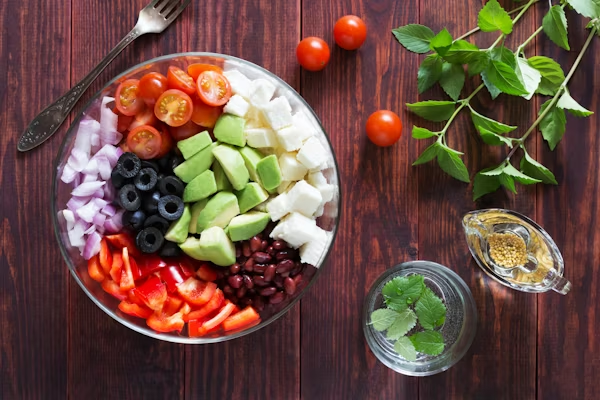
Water is conducive to overall health, aids in digestion, metabolism, and the removal of toxins, and also keeps the energy level intact. It also keeps your skin glowing, helps foods and supplements be absorbed, and prevents the afternoon slump from dehydration. Try to consume a minimum of 8 glasses of water every day, and more if you the activity level if you live in a hot place or if you sweat a lot. Herbal teas, fruit-infused water, and unsweetened 100% fresh fruit juices are also effective ways of keeping hydrated.
key points
- Water is important for all aspects of health, from digestion and metabolism to detoxification.
- Good hydration gives you glowing skin and helps in the absorption of nutrients.
- Staying hydrated will help you to combat dehydration-induced fatigue.
- Try a minimum of around 8 glasses of water per day, more if sweating, in hot weather, or active.
- This hydration can come from water, herbal teas, or unsweetened juice.
- If you have a reusable water bottle, you’re more likely to remember to drink throughout the day.
Practice Portion Control
Good portion control is an important part of maintaining a healthy weight and avoiding overeating. Healthy foods are still fattening if you eat too much of them. To curb your portions, downsize to smaller plates and bowls, and try mindful eating. Eat at a leisurely pace, focus on your meal, and listen to your body’s hunger signals. This is believed to prevent overeating and aid in better digestion.
Incorporate Healthy Fats
Healthy fats are critical for brain health, hormone balance, and fat-soluble vitamin absorption (like vitamins A, D, E & K)—found in avocados and nuts. seeds, olive oil, and fatty fish. These fats feed your body for hours and keep you satiated between meals, negating the need to constantly snack. You also want to steer clear of trans fats and try to limit your intake of aromatase-stimulating saturated fat, which is found in fried foods, pastries, and heavily processed snacks. Instead, opt for unsaturated fats and omega-3 fatty acids that can help lower inflammation and protect the heart while promoting good health.
Importance of Healthy Fats
Good fats are crucial for brain function, making hormones, and the absorption of fat-soluble vitamins such as A, D, E, and K, which means they really are necessary in your diet.
Benefits for Health
Polyunsaturated fats, particularly omega-3 fatty acids, can aid in reducing inflammation and are majorly beneficial for heart health, metabolism, and overall well-being if included in your daily diet.
Tips for Incorporation
Toss a handful of nuts, a spoonful of seeds, or a teaspoon of olive oil into meals for added nutrients, flavor, and satiety—without much harmful fat and calories (trans fats are closely controlled, while saturated fats come from fried and highly processed foods).
Plan Balanced Meals
A healthy meal is packed with complex carbs, lean protein, good fats, and fiber to keep you satisfied while you are running around. By planning in advance, you’re not only less likely to go for unhealthy snacks, but you’ll also keep up with your nutrients at the same time. Strive to make sure that your meals incorporate proteins, whole grains, brightly colored vegetables, and healthy fats. This system optimizes your metabolism, supports digestion, increases energy, and contributes to weight management and overall health.
Conclusion
The Path to a Better Lifestyle, More Energy & Long-Term Well-Being: Daily healthy eating is the magic bullet for a better lifestyle and health. By adding in fruits, vegetables, whole grains, lean proteins, and good fats and cutting down on sugar and processed foods that compromise your immune system, you’ll be able to boost immune function as well as have a clear mind and maintain an ideal weight. Good nutrition also requires a consistent approach to eating, mindful eating, and staying properly hydrated. In conjunction with regular exercise and stress management, these practices enable you to enjoy a healthy, beautiful, high-energy life. Minor, sustainable dietary changes will impact your health and well-being and quality of life in the long run. rains.
FAQs
What makes up a good daily diet?
An overall healthy diet is made up of a variety of fruits, vegetables, whole grains, lean proteins, and healthy fats, with an emphasis on eating less processed foods.
How many liters of water should I drink in a day?
There is the famous 6–8 glasses (approximately 2 liters) rule, but fine-tune that based on your activity level, external temperature, and individual needs.
Do we really need fruit and vegetables every day?
Yes, they’re full of essential vitamins, minerals, antioxidants, and fiber that bolster immunity, aid in digestion, and keep your skin glowing.
Can I skip breakfast?
Skipping breakfast is not recommended. A well-rounded breakfast kick-starts the metabolism, improves concentration, and helps prevent overeating throughout the day!
Are all fats bad for you?
No, the healthy fats in avocados, nuts, seeds, and olive oil are good for your heart, brain, and hormones. Avoid trans fats, and limit saturated fats.
How does portion control help?
Eating smaller amounts discourages overeating, assists in weight loss, and takes pressure off digestion.
Can healthy eating improve skin?
Absolutely! Sun-ripened berries and other antioxidant-packed fruits and vegetables, healthy fats, and hydration work to keep skin clear and glowing.