
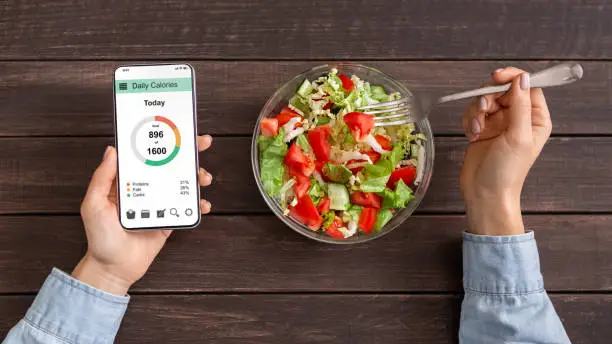
Losing weight safely involves more than simply eating less or skipping meals. A healthy diet that provides you with the right nutrition is necessary in order to keep your energy up, help your metabolism, and maintain proper health. A high-protein, high-fat diet that includes fiber, vitamins, and minerals gives the body all it needs to function optimally. Good nutrition controls cravings, stabilizes blood sugar, and helps with fat loss while giving your body energy.
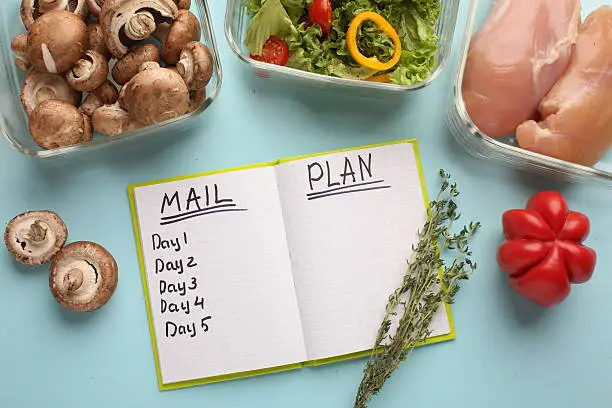
Healthy eating, hydration, regular exercise, and good-quality sleep multiply the effects of weight loss. This comprehensive strategy makes weight loss permanent, not a quick fix that might end up doing more harm than good. With the right food, portion control, and some clever meal planning, you can be doing your body good by feeling lighter and healthier.
Start Your Day With Protein
Eat a good-quality protein in the morning, and your metabolism and energy levels will follow suit. Protein keeps you full, staves off mid-morning hunger pangs, and helps maintain muscle while you’re losing weight. Healthy sources of protein are eggs, Greek yogurt, cottage cheese, or a protein smoothie.
For vegetarians, soy, lentils, chickpeas, or other legumes are great. Fiber-rich foods, like oats, chia seeds, or berries with lots of protein, can help you feel fuller and support digestion. A protein-packed breakfast gives you the energy that your body needs and makes it less likely that your body will want to snack on something unhealthy. Doing this can, over the long term, improve fat-burning, preserve muscle mass, and keep energy levels steady in the morning.
Include Complex Carbs
Complex carbs are a powerful source of energy for weight loss and better health! Unlike simple carbs, they burn slowly, offering sustained energy while helping to steady blood sugar. This sustained way of releasing energy prevents the body from experiencing hunger pangs and gaining excess weight.
Good choices are whole grains like quinoa, brown rice, and oats; whole wheat bread; and starchy vegetables such as sweet potatoes. Pairing complex carbs with high-protein, low-fat, or unsaturated fat foods promotes steady energy release and satiety. Eating complex carbohydrates ensures that your metabolism stays active, you get physical activity, and your body will burn stored fat more effectively. They are also filled with fiber, which helps in digestion and keeps you regular, moving toward overall health.
Eat Lean Proteins
Lean proteins are key to muscle retention, metabolism, and weight control. They assist with appetite control, energy increase, fat loss, and more. Eating some lean protein every day supplies your body with what it needs to repair and produce energy.
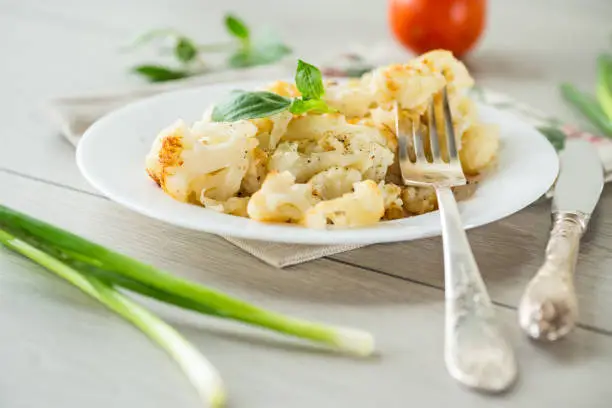
Good sources include chicken, turkey, fish, tofu, legumes, and eggs. The best way is to spread your intake of protein throughout the day in order to keep metabolism active and energy levels consistent. Protein paired with vegetables or whole grains will fill you up faster than just eating meat or a single side. Eating lean proteins regularly helps you feel full, which prevents overeating and increases fat burning—it is one of the basic foundations for any healthy weight loss diet.
Importance of Lean Proteins
Lean protein is essential for maintaining muscle mass, metabolism, and weight control due to its appetite suppression benefits, energy stimulation capacity, fat loss potential, and ability to be a building material used in both repair and energy production.
Sources of Lean Proteins
Good sources include chicken, turkey, fish, tofu, beans, and eggs. For best results, meet this goal by dividing your protein intake at all meals to maximize fat-burning metabolism and keep energy levels stable.
Benefits for Weight Management
What’s more, eating lean proteins can help to protect against the loss of muscle mass, increase the number of calories your body burns through eating and digestion (known as the thermic effect), and keep you feeling fuller for longer.
Tips for Optimal Intake
Try adding proteins to either your veggies or whole grains to make meals more satisfying and nutrient-rich, and be sure to get a consistent amount throughout the day for the greatest muscle-building and hunger-busting results.
Fill Up With Vegetables
Because vegetables are low in calories and high in essential nutrients, they can help you lose weight. They’re a good source of fiber, vitamins, and minerals for healthy digestion, immunity, and overall health. Vegetables are also high in fiber and will fill you up, so you can eat less but not feel hungry.
Include all different veggies like leafy greens, broccoli, carrots, bell peppers, zucchini, and cucumbers. Strive to leave half of the plate with veggies in your eye at every meal. Variations: The use of methods such as steaming, roasting, or raw can add diversity while maintaining flavor and nutrition. Eating vegetables regularly ensures a rejuvenated digestive system and lower calorie consumption, which in turn leads to weight loss and Mandoxie (removing toxic waste from your body), but also feeds the body the necessary micronutrients.
Add Healthy Fats
Fats are necessary for a healthy body, including hormone production, brain function, absorbing nutrients, and having sustained energy. Incorporating healthy fats into your diet even helps keep you satisfied longer, which means lowering the potential for eating unhealthy snacks or overindulging when you have a meal. Good sources of healthy fats are avocados, nuts, seeds, olive oil, and fatty fish such as salmon or mackerel. These are heart-healthy anti-inflammatory fats, which help metabolism and weight control.
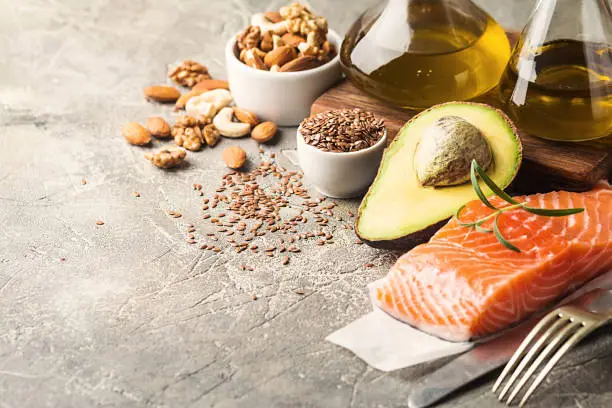
Steer clear of trans fats and highly processed oils, which can boost the kind of cholesterol that will clog your arteries and pack on pounds. A small couple of them added to every meal can add so much flavor and fullness to a dish that you don’t feel like you’re on a diet while still being in the losing process. And, when consumed regularly over time, adding healthy fats to your diet helps sustain energy levels and helps drive nutrient absorption, while helping people keep weight off.
Importance of Healthy Fats
Good fats are crucial for overall health, including hormone production and brain function, and to help you absorb nutrients and produce long-lasting energy while helping keep those hangry moments at bay.
Sources of Healthy Fats
Add foods such as avocados, nuts, seeds, olive oil, and fatty fish (like salmon or mackerel), which are heart-healthy, anti-inflammatory, and good for metabolism and weight control.
Benefits for Health and Weight
Good fats help keep you fuller longer, are necessary in nutrient absorption, produce energy for the body, drive metabolism, and promote a healthy weight when consumed regularly.
Tips for Incorporation
However, eliminate trans fats and highly processed oils while adding small amounts of healthy fats to every meal for taste value as well as satiation, and be diligent so that you can support your health and keep full on a diet.
Stay Hydrated
Water is an essential requirement for every bodily process, such as digestion, metabolism, excretion of toxins, and energy production. Good hydration can facilitate the body in burning fat, keeping fatigue at bay, and maintaining clear focus during work hours. The recommended daily intake of water is a minimum of 8 cups, but if you are playing sports or live in a hotter location, then it’s even more.
Herbal teas, infused water, and fresh fruit juices with no added sugar are also good alternatives to keep you hydrated. Toting around a reusable water bottle makes it easier to get your daily fill of water and keep track of how much you are consuming. Hydration also minimizes overeating, aiding in digestion and healthy skin, and promoting better performances during workouts—all critical elements for weight loss and overall health.
Watch Portions
And even healthy foods can contribute to weight gain if you eat too much of them. Good portion control serves to control calories, prevent overeating, and stimulate a robust metabolism. Smaller plates and bowls can deceive your brain into thinking you’ve eaten more food. By eating slowly and tuning into feelings of hunger and fullness, you allow yourself to eat only as much as your body actually needs.
Stay away from TV, smartphones, or computers when you eat because these cause unconscious overeating. TNT Planning meals in advance and pre-packing snacks can help you avoid eating mindlessly. Making use of portion control regularly allows you to more easily stay within your weight-loss goals, balance energy consumed, and yield sustainable results over the long term.
key points
- Even healthful foods can lead to weight gain if you eat too much of them.
- Serving size helps in controlling calorie consumption and guarding against overeating.
- You may feel more satisfied with smaller plates and bowls.
- Focusing on what you are eating and paying attention to how hungry or full you get keeps you from overeating.
- Don’t eat with the TV on or at the computer or smartphone.
- Meal planning and portioning out snacks will cut down on eating on the spur of the moment.
- Solid portion control helps lose weight, control energy, and achieve quality results.
Healthy Snacks
Smart snacking is essential for sustenance and to have no cravings for junk or processed food. Opt for nutrient-rich snacks that boast protein, fiber, and healthy fats. Such snacks stabilize blood sugar, rev metabolism, and help avoid binge eating between meals. Good snacking foods would be fresh fruit, pieces of vegetables with hummus, etc., nuts and seeds, Greek yogurt, or hard-boiled eggs. Pre-portion snacks into containers—this helps control calories and estimate how much you are eating. Incorporating good-for-you healthy snacks helps keep your energy levels up, feeds your cravings to prevent over-consuming unhealthy options, and keeps you on track with a balanced lifestyle for the long term.
Sample Daily Meal Plan
Breakfast: Greek yogurt topped with berries and chia seeds, or a scrambled egg mixed with spinach.
- Snack (mid-morning): An apple or a small bunch of almonds.
- Lunch: Grilled chicken or tofu with quinoa and assorted veggies.
- Afternoon Snack: Carrot sticks with hummus or a protein smoothie.
- Dinner: Baked salmon with roasted sweet potatoes and fresh salad.
- Evening Snack (Optional): Herbal tea or a handful of nuts if feeling hungry for an extra boost.
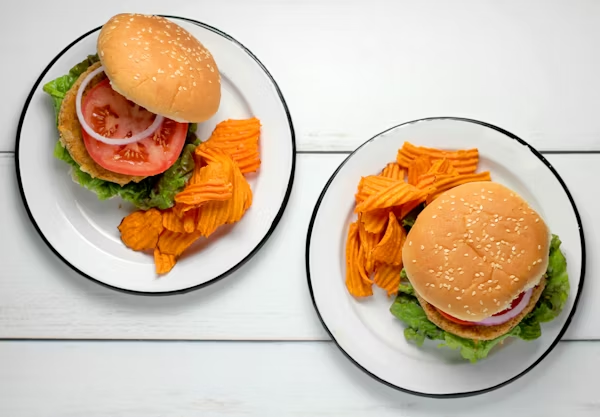
This menu is rich in protein, complex carbs, healthy fats, and fiber to keep energy levels steady and hunger at bay while providing the vitamins and minerals you need. Minor modifications, such as using spices and herbs or healthy dressings, can make your meals full of flavor without extra calories.
Conclusion
It is all about balance, and a diet with protein, complex carbohydrates, healthy fats, vegetables, and good hydration daily will lead to weight loss in the safest way possible. Consistency is key, and this plan can be followed along with portion control, exercise, and an awareness of calorie & macro intake. Little changes that are not only good for metabolism, but those will also curb your cravings, provide you with energy, and improve overall health! Peeping at this menu helps you lose weight easily yet without hunger, and while staying healthy and energetic. It is possible to have sustainable fat loss and achieve a better body and a healthy lifestyle by developing a few habits in your daily routine.
FAQs
How important is portion control?
Very important. Even with nutritious foods, weight loss is stymied if portions are out of control. Eat from smaller plates, and listen to hunger signals.
Is it okay to drink water or tea with the food?
Yes, water is essential. Green or herbal teas can aid in metabolism, but skip sugary drinks.
How many calories should I eat a day to lose weight?
It varies by age, gender, activity level, and weight aim. A daily energy deficit of 500–750 calories results in a safe weight loss of 0.5–1 kg per week on average.
Do I need to exercise in addition to diet?
Yes. Proper nutrition combined with regular exercise speeds fat loss, boosts metabolism, and enhances muscle health.
Is it possible to snack and still lose weight?
Yes, healthy snacks (think: fruits, nuts, yogurt, or vegetables) can stave off hunger and blood sugar dips.
When will I see results from taking weight loss pills?
Results become visible in 2–4 weeks after a regular diet and exercise. Sustainable weight loss takes time.
Dieting while dining out: Is it possible for Cellulot, or can I dine in a restaurant during my weight loss diet?
Yes, opt for grilled or oven-baked ones, and veggies are good; limit fried items and portion size.
Do I need to count calories or macros?
This helps you understand intake and make corrections, particularly in early weight loss.
Do cheat meals affect weight loss and health?
It’s okay to have a cheat meal here and there, as long as you make up for another day that week, but too much cheating can hurt progress.
Is low-carb dieting better for weight loss?
Low-carb might have the most impact, but balanced whole grain and protein and healthy fat and fiber diets are generally more sustainable and less punitive on our organs overall.
Is breakfast important for losing weight?
Breakfast jumpstarts metabolism, boosts alertness, and prevents overeating later in the day. The ball should contain protein, fiber, and quality carbs.
Can eating a healthy diet for skin and hair help us lose weight, too?
Yes! Foods that are good for skin and hair contain nutrients that help keep your skin, hair, and nails healthy while you lose weight.