


Now more than ever, in today’s fast-moving world, we can all benefit from high energy levels and a strong immune system. It is normal for so many people to feel tired, have weak immunity, and experience sluggishness caused by bad eating habits, stress, and the lack of nutrients. There are supplements out there, but natural superfood is the best way to achieve the necessary vitamins, minerals, antioxidants, and bioactive substances for a healthy lifestyle. Nutrient-rich superfoods to add to your diet. Daily consumption of nutritional superfoods may help increase energy levels, protect against infections, decrease inflammation, and simply make you feel younger. High in nutrients that promote optimal cellular function, digestion, and immunity, these superfoods will have you feeling full of energy all day long!
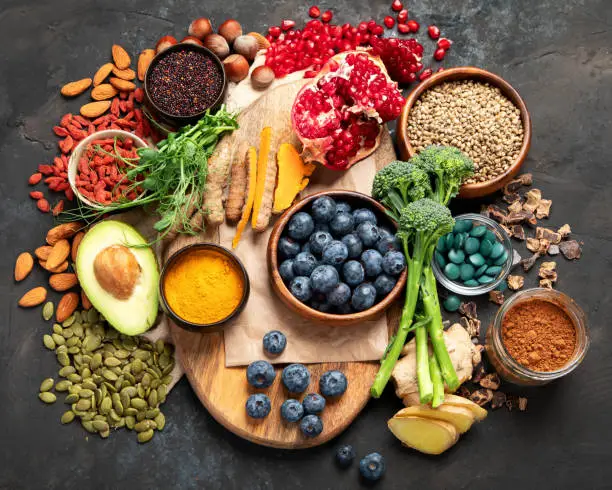
Blueberries For Immunity
Blueberries are antioxidant powerhouses that pack plenty of these infection-fighting antioxidants, such as flavonoids and vitamin C, into one little sweet bite. These antioxidants help your body fight off free radicals (molecules that can cause harm to your cells) by lowering inflammation and enhancing immunity. They also promote brain health and offer natural, long-lasting energy.
Why Blueberries Are Beneficial
In addition to these rich flavors, juicy blueberries are packed with antioxidants, flavonoids, and vitamin C that defend against free radicals and inflammation as well as support the immune system and brain health while promoting natural energy.
How to Eat Them
Put blueberries in your smoothies, oatmeal, and yogurt, and eat them with breakfast cereals, as they are naturally sweet and you need energy that will not drive up sugar levels in the blood.
Health Benefits
Eating blueberries regularly helps with resisting oxidative stress, and it promotes a healthy mood by helping you out with high (healthy) energy.
Tips for Maximum Benefit
For maximum antioxidant value, pick organic blueberries and make them a regular part of your diet for lasting health benefits.
Quinoa For Strength
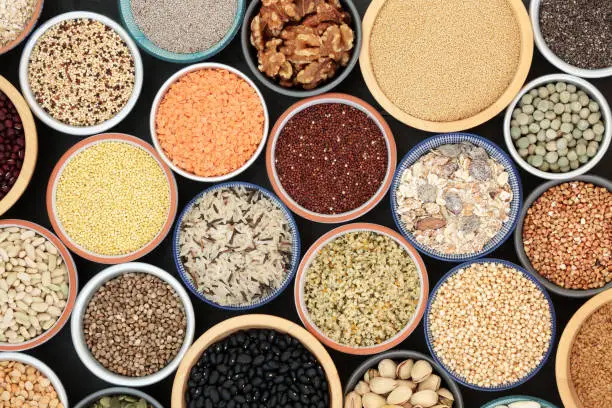
Ree-nee-wah Quinoa is a gluten-free grain that contains protein, fiber, and iron. It’s complex carbohydrates that release energy slowly, and so it’s sustaining and offers protein to aid in the repair of muscle tissue and your immune system. Use it to make salads, grain bowls, or breakfast porridge (pictured). Fiber does wonders for the gut, and healthy digestion equates to a stronger immune system.
Almonds For Energy
Almonds are a densely nutritious nut providing vitamin E and magnesium as well as protein, fiber, and healthy fats. Vitamin E, which is an antioxidant that helps to protect cells and enhance immunity, magnesium, and potassium contribute towards energy production and muscle function. Nosh on a handful every day, or toss into smoothies, oatmeal, or salads. They offer sustainable energy, support brain health, and keep cravings in check.
key points
- Almonds are high in vitamin E, magnesium, protein, fiber, and the type of healthy fat that is good for your heart.
- Vitamin E defends cells and boosts immunity.
- Magnesium is one of the nutrient building blocks for energy and muscle function.
- Almonds are a good source of sustained energy that helps stave off hunger.
- They improve brain health.
- Eat a small handful each day or mix into smoothies, oatmeal, or salads.
- It is said that almonds soaked overnight and eaten in the morning are good for digestion and ensure optimal absorption of nutrients.
Greek Yogurt Protein
Greek yogurt is a protein-packed, probiotic-rich food that helps boost your muscle repair, energy levels, and gut health. It also includes B12 and calcium for bone health and better overall metabolism. Greek yogurt probiotics can keep the balance of the gut microbiome, which is closely connected with a strong and healthy immune system.

To serve, simply eat Greek yogurt straight or with fruit, nuts, or seeds for breakfasts, snacks, or dessert. From aiding in digestion to boosting the immune system and maintaining energy levels for the day. The creaminess adds heartiness and also sustains blood sugar for even energy; no crashes.
Sweet Potato Carbs
Sweet potatoes are starchy, sweet-tasting root vegetables that are laden with beneficial nutrients. They contain high amounts of complex carbohydrates, dietary fiber, and beta carotene. The complex carbohydrates are slow-digesting to provide you with long-lasting energy, and the fiber promotes healthy digestion and gut health. Beta-carotene boosts the immune system and helps keep your skin and vision healthy. Eat sweet potatoes baked, roasted, mashed, or steamed as a nutrient-rich and versatile addition to any meal. combined, enhanced energy, reduced inflammation, and bettered
key points
- Sweet potatoes are an example of a nutrient-rich complex carbohydrate that supplies fiber and beta carotene.
- The complex carbs break down gradually and provide long-lasting energy.
- Fiber promotes healthy digestion and gut function.
- Because it’s high in beta-carotene, it enhances the immune system and is good for your skin and eyes.
- Sweet potatoes are for baking, frying, roasting, pasting, and steaming various dishes.
- They can mitigate inflammation, promote vitality, and boost immunity.
- Combining with healthy fats such as olive oil, avocado, or nuts can increase the absorption of beta-carotene.
Green Tea Antioxidants
Green tea is a wonderful antioxidant drink with a good amount of flavonoids, catechins, and polyphenols, which are natural plant compounds that can help with immune function, energy levels, and fat loss. It has a gentle caffeine rate, so they will get a slow and easy burst of energy without the jitters. Have a cup of green tea in the morning or afternoon, and perhaps add some lemon or ginger to give you more antioxidants to help boost your immune system. Long-term use can help reduce inflammation, increase focus and clarity, and enhance the immune system.
Garlic Immune Booster
Garlic is a powerful superfood that enhances immunity, containing sulfur compounds like allicin, and is known for its antibacterial, antiviral, and anti-inflammatory effects. Garlic additionally contributes to detoxing, cardiovascular health, and energy metabolism a flexible adjunct to a balanced diet. Add garlic to cooked foods, such as soups, stir-fries, or sauces. For maximum health benefits, crush garlic and let it stand for 5 minutes before cooking; this increases the allicin content, which supports immune function and provides an energy boost.
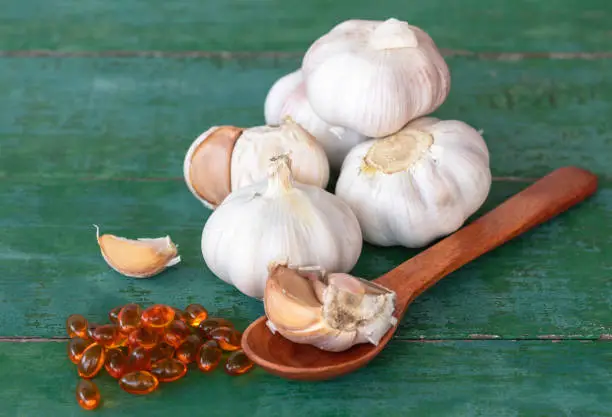
Why Garlic is Beneficial
Garlic is a potent superfood for immunity, high in sulfur-containing compounds such as allicin, which has antibacterial, antiviral, and anti-inflammatory benefits, while also aiding detoxification, heart health, and energy metabolism.
How to Use Garlic
Add garlic to cooked foods, soups, stews, stir-fries, or sauces—and for the most benefit, slice, crush, or mince it, then allow it to sit for 5 minutes before cooking to preserve allicin levels.
Health Benefits
Garlic is found to be effective in normalizing the immune system, generating more energy, maintaining a healthy heart, and protecting from infections and inflammations naturally.
Tips for Maximum Effect
Pair garlic with healthy fats such as olive oil for maximum absorption of fat-soluble compounds, and eat it regularly in meals to build a strong immune system and keep your energy levels steady.
Conclusion
Find out how including the following superfoods as part of your regular eating plan can help to keep you energized, boost immunity levels, and enhance overall vitality: Spin blueberries, quinoa, almonds, Greek yogurt, sweet potatoes, green tea, and garlic. These foods are high in vitamins and minerals as well as antioxidants, bioactive compounds that protect against fatigue, inflammation, and metabolic issues. Add in a nutrient-dense diet, hydration, regular exercise, stress management, and good sleep to maintain sustained energy levels, lawful immunity, and optimal health. Tiny changes to your daily diet can give you a youthful vibrancy and boost energy.
FAQs
What are superfoods?
Superfoods contain high levels of vitamins, minerals, antioxidants, and other compounds that help maintain immune health.
How do superfoods boost immunity?
They boost the immune system with antioxidants, vitamins (such as C and E), minerals (like zinc and selenium), and anti-inflammatory compounds that help battle infections.
What’s the frequency with which I should eat superfoods for immunity?
Daily intake is ideal. Combine superfoods in meals, snacks, or drinks.
Can superfoods replace medication?
No, superfoods boost immunity, but they don’t take the place of a trip to your doctor if you have an infection.
Are superfoods suitable for everyone?
Yes, but some folks might have allergies or sensitivities (nuts, dairy, citrus) . Also, always double-check before offering other foods.
Can children eat immunity-boosting superfoods?
For the most part, superfoods are safe for your kids to eat in age-appropriate quantities (avoid unhealthy levels of hot spices or high-acidity foods).
Can superfoods ward off the cold and flu?
They can help support your immune system, which may lower the risk of and reduce the severity of infections, but cannot guarantee complete prevention.
Can I consume superfoods as supplements rather than whole foods?
Supplements can be helpful, but whole foods come with fiber, as well as other nutrients that may act synergistically to help you feel better.